
天源粉末活性炭产品介绍
粉末活性炭(Powdered Activated Carbon,简称PAC)是采用优质木屑、椰壳、煤质等原料,经炭化、活化、破碎研磨及精制提纯等工艺制成的无定形炭粉材料。其粒径细微、比表面积庞大,吸附动力学性能优异,能快速捕捉液体及气体中的各类污染物,在水处理、食品加工、环保治理等领域占据不可替代的地位。相较于颗粒活性炭,粉末活性炭具有吸附速度快、投加灵活、成本适配性强等特点,广泛应用于应急处理及连续工艺场景。
一、外观特征
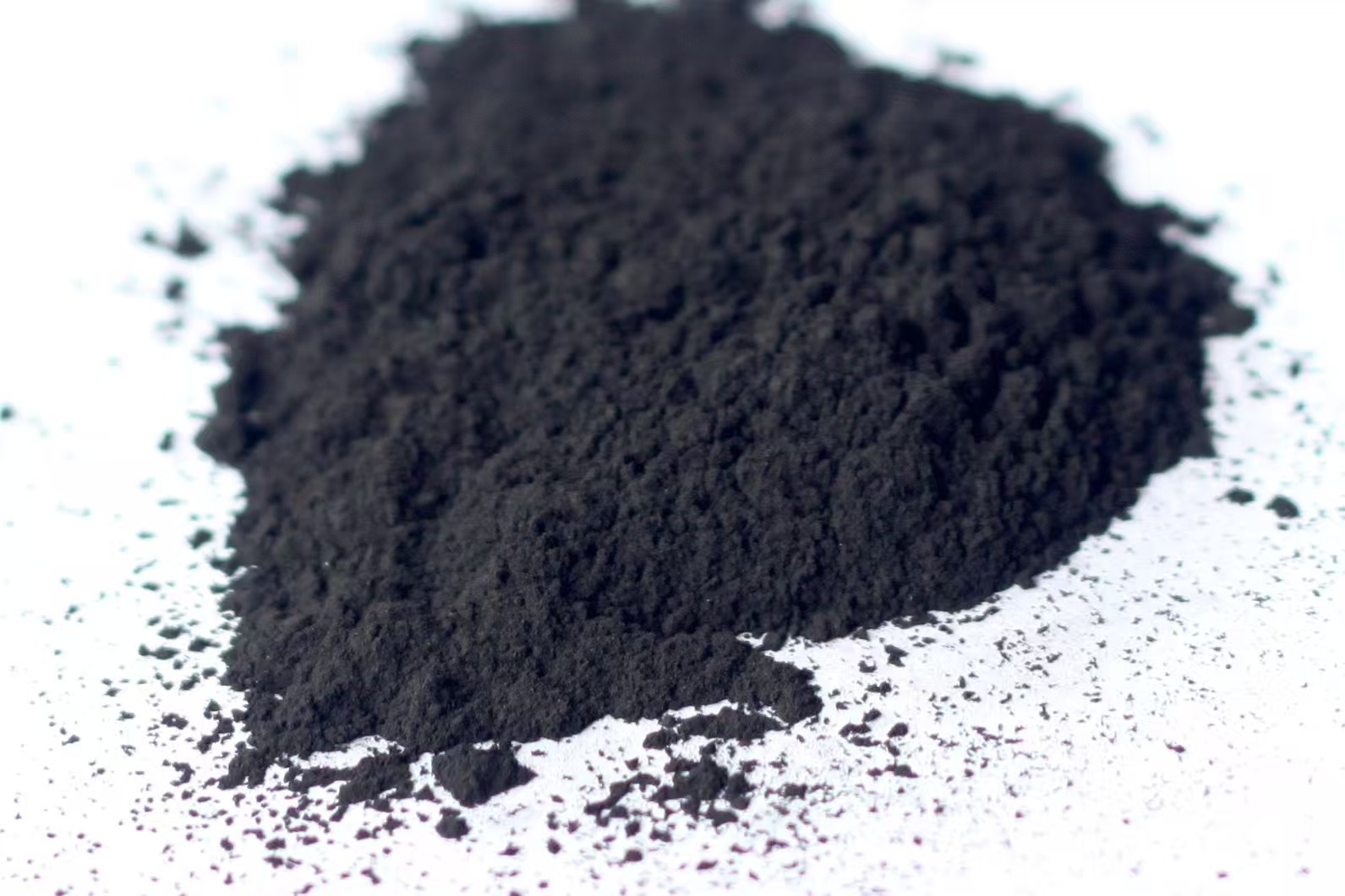
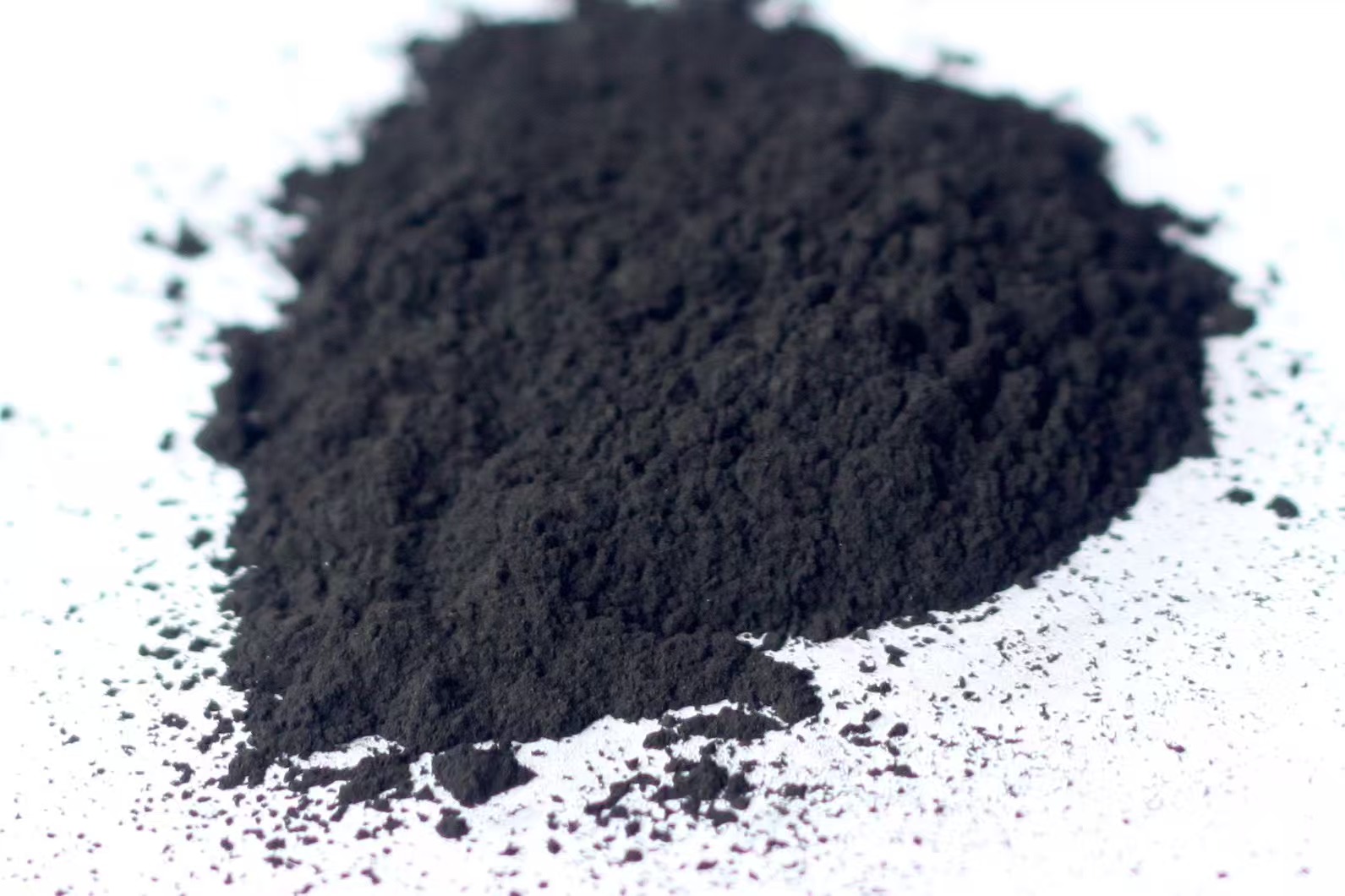
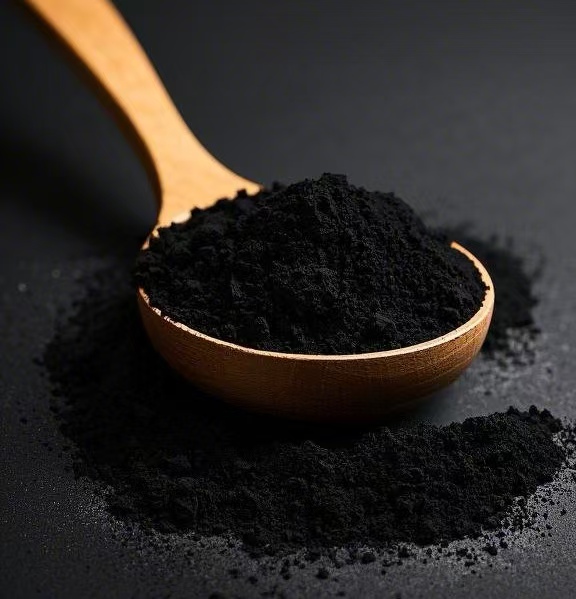
粉末活性炭外观呈黑色细腻粉末状,无明显结块及肉眼可见杂质,色泽均匀一致。粒径分布范围精准可控,常规规格为80-325目(等效粒径18-150μm),其中100-200目产品在水处理领域应用最为广泛,特殊场景可定制50目(300μm)粗粉或400目(38μm)超细粉产品。通过扫描电子显微镜观察,其表面呈现发达的孔隙结构,无规则的多孔形态为吸附提供充足位点。产品堆积密度为0.35-0.55g/cm³,轻于颗粒活性炭,倾倒时易产生少量粉尘,优质产品在水中分散性良好,无明显沉降团聚现象,静置后悬浮均匀。根据原料差异,煤质粉末活性炭颜色偏灰黑,椰壳及木质产品颜色更深,呈纯黑色,且木质产品手感更细腻。
二、核心特性
1. 高效吸附性能:作为核心优势,其BET比表面积可达800-1600m²/g,其中微孔(孔径<2nm)占比70%-85%,中孔(2-50nm)占比10%-25%,这种孔隙结构对小分子有机物、重金属离子及色素分子具有极强的捕获能力。关键性能指标表现优异,碘吸附值为800-1300mg/g,亚甲基蓝吸附值为100-220mg/g,焦糖脱色率(木质产品)可达90%-98%,在相同工况下,吸附速率较颗粒活性炭提升40%-60%,10-30分钟即可达到吸附平衡。
2. 物理分散性佳:粉末颗粒粒径细微且均匀,在液体体系中能快速分散,形成稳定的悬浮体系,与待处理介质接触面积可达颗粒活性炭的5-10倍,有效避免吸附盲区。其粒度分布跨度小,90%以上颗粒粒径集中在指定范围,确保吸附效果的稳定性与一致性,减少因颗粒不均导致的局部处理不达标问题。
3. 化学稳定性强:产品化学惰性优异,pH值稳定在5.5-11.0,根据应用需求可定制酸性(pH3.0-5.0)或碱性(pH11.0-13.0)专用产品。煤质产品硫含量≤0.3%,木质及椰壳产品硫含量≤0.1%,不与处理介质中的常规成分发生化学反应。食品级产品严格遵循GB/T 14909-2015标准,重金属含量极低(砷≤3mg/kg、铅≤10mg/kg、汞≤0.1mg/kg),符合食品安全要求。
4. 工艺适配性灵活:无需特殊固定床设备,可通过计量泵、干粉投加装置直接投加至处理体系,适配搅拌罐、反应池、管道混合器等常规设备,尤其适用于突发污染事故的应急处理。投加量可根据污染物浓度灵活调整,从10mg/L到500mg/L均能稳定发挥作用,处理成本可控性强。
三、应用领域
1. 市政与工业水处理:在自来水厂应急处理中,针对藻类爆发、农药残留、异味突发等问题,投加10-50mg/L即可快速去除土腥味、霉味及微量污染物,将水中异味物质阈值从1000嗅阈值单位降至20以下,符合GB 5749-2022生活饮用水卫生标准。工业废水处理领域,用于印染废水脱色(脱色率可达85%-95%)、化工废水COD降解(去除率30%-60%)、电镀废水重金属吸附(铅、镉去除率超90%),尤其适用于难降解有机废水的预处理环节。在污水处理厂深度处理中,可降低出水COD及总氮含量,助力实现提标改造。
2. 食品与饮料工业:在制糖工业中,用于蔗糖、葡萄糖的脱色精制,投加0.1%-0.3%即可去除糖液中的类黑精、焦糖色素,提升产品白度至95%以上。酒类生产中,用于白酒除杂、啤酒澄清、果酒脱色,吸附酒中的醛类、杂醇油及多酚类物质,使酒体口感更纯净,保质期延长6-12个月。饮料行业中,用于果汁、茶饮料的脱涩除味,去除单宁酸及苦涩物质,保留原有的风味物质。
3. 医药与化工领域:医药工业中,作为药用辅料用于抗生素、维生素等药物中间体的提纯,吸附原料中的杂质蛋白、色素及残留溶剂,符合《中华人民共和国药典》(2025版)标准。化工行业中,用于溶剂回收(如丙酮、乙醇、甲苯等),通过吸附-解析循环,溶剂回收率可达90%以上;在催化剂制备中,作为载体负载贵金属催化剂,提升催化反应效率。
4. 气相净化与环保治理:在工业废气处理中,用于吸附含VOCs(挥发性有机化合物)废气、硫化物及氮氧化物,如印刷、涂装行业废气处理,吸附效率可达80%-90%,常与催化燃烧工艺配合使用。室内空气净化领域,作为空气净化器滤网、活性炭包的核心材料,对甲醛、苯、TVOC等污染物的吸附量可达80-150mg/g,有效改善室内空气质量。在垃圾焚烧尾气处理中,可吸附二噁英等剧毒污染物,降低尾气危害。
5. 农业与水产养殖:农业领域,用于土壤重金属污染修复,通过吸附土壤中的铅、汞、镉等重金属离子,降低农作物吸收量,修复后的土壤重金属含量可符合GB 15618-2018土壤环境质量标准。水产养殖中,投加5-10mg/L可吸附养殖水体中的氨氮、亚硝酸盐及残饵分泌物,改善水体微生态环境,降低鱼虾病害发生率,提高养殖成活率。
指标参数:
型号 | 指标(可定制) | 用途 |
TY-YKF200(椰壳粉末炭) | 粒度:150-325目 | 饮用水处理脱色、食品脱色提纯与精制、药剂添加、污水处理 |
TY-XKF(杏壳粉末炭) | 粒度:150-325目 | 饮用水处理脱色、污水处理脱色、食品脱色提纯 |
TY-TKF2(桃壳粉末炭) | 粒度:150-325目 | 饮用水处理脱色、污水处理脱色 |
TY-MZF100(木质粉末炭) | 粒度:100-325目 | 糖液脱色用木质粉末活性炭 |
TY-MZF200(木质粉末炭) | 亚兰:8-16ml/0.1g | 植物活性炭食品添加剂 |
TY-MZF(木质粉末炭) | 粒度:150-325目 | 印染、电镀废水处理活性炭 |
TY-MZF100(木质粉末炭) | 粒度:100-250目 | 用于发热贴暖宝宝吸潮用活性炭 |
TY-MF200(煤质粉末炭) | 粒度:200-325目 | 蜂窝活性炭加工成型用粉末活性炭 |
TY-MF(煤质粉末炭) | 粒度:200-325目 | 适用于垃圾焚烧电厂吸附二噁英 |
品质控制:行业领先的实验室及检测设备,按国家标准控制。
四、包装规格
产品采用三层密封包装形式,内层为食品级聚乙烯(PE)薄膜袋,厚度0.1mm,具备优异的防潮性,防止粉末吸潮结块;中层为铝塑复合膜,隔绝氧气与紫外线,延缓产品老化;外层为高强度牛皮纸袋或聚丙烯编织袋,克重80-100g/㎡,抗撕裂强度≥20N,确保运输及搬运过程中包装完好。
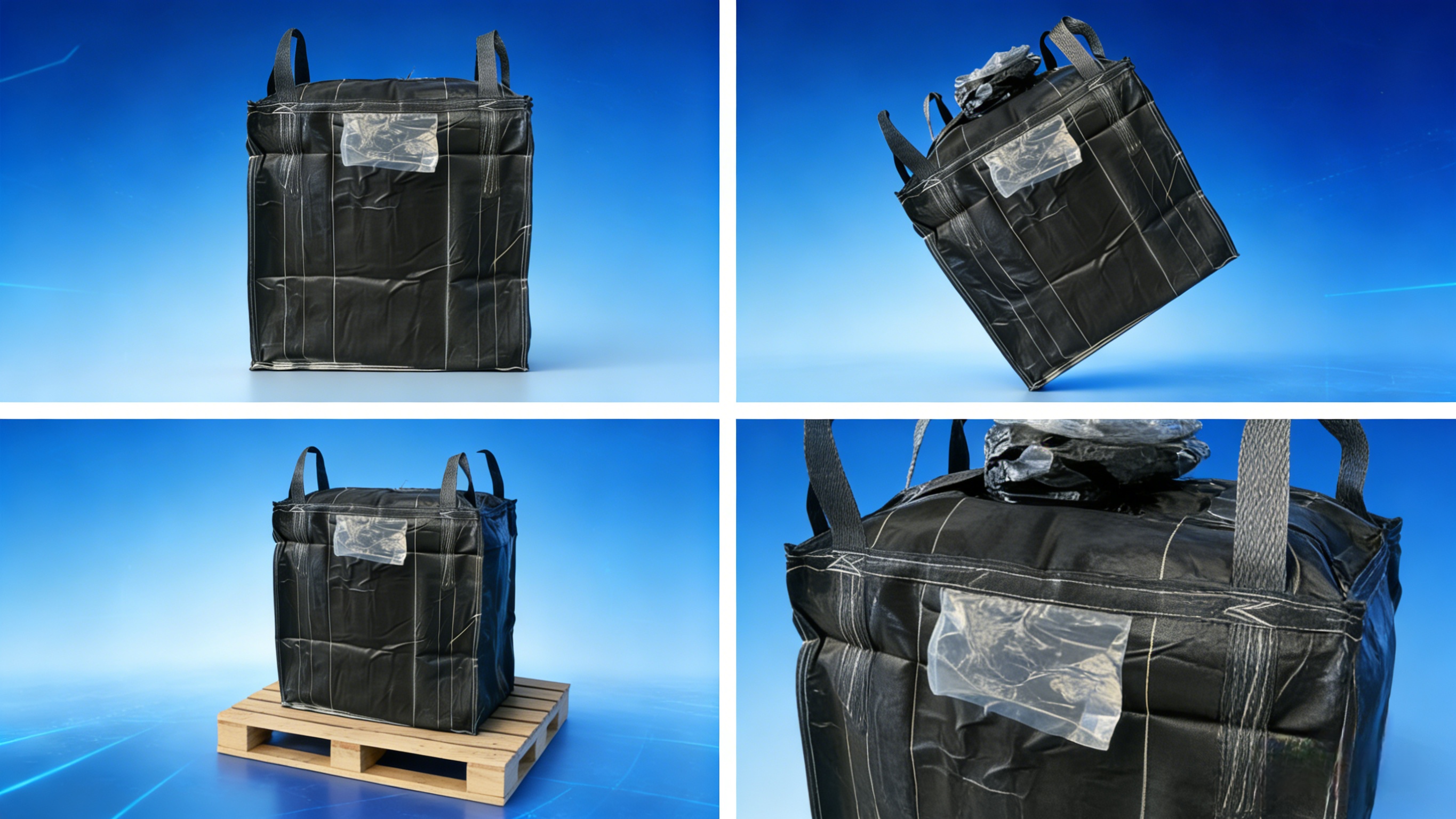
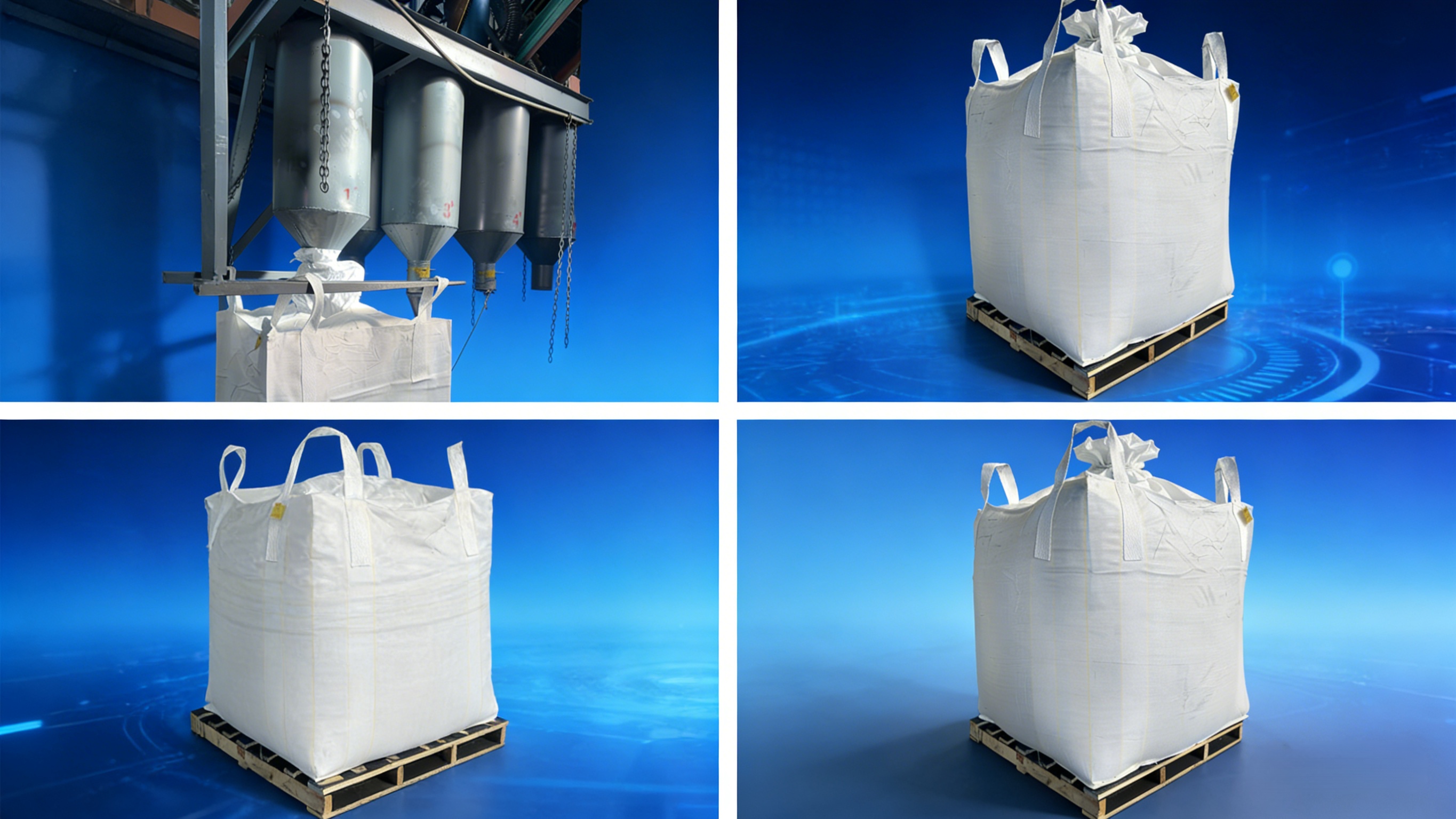
常规包装规格分为三类:小批量包装为1kg/袋、5kg/袋,适用于实验室及小型生产场景;标准工业包装为25kg/袋,袋身尺寸45cm×75cm,配备内置提手,便于人工搬运;大批量采购可提供1000kg/吨包,采用集装袋包装,配备吊环,适配叉车装卸。所有包装均清晰标注产品名称、型号、粒径、碘吸附值、生产日期、生产批号及质量等级,食品级与工业级产品采用不同颜色标识(食品级为绿色标识带,工业级为灰色标识带),明确区分避免混用。产品在密封状态下,储存于阴凉干燥环境中保质期为2年,开封后需密封保存并在30天内使用完毕。
五、注意事项
1. 储存规范:应存放于专用仓库,仓库需保持阴凉干燥,温度控制在5-35℃,相对湿度≤60%,避免阳光直射及靠近热源(如暖气、锅炉等),储存区域需配备防潮通风设备。产品应放置在木质托盘或塑料托盘上,与地面、墙面保持10cm以上距离,防止地面潮气侵入。严禁与强酸、强碱、有毒气体及易挥发化学品混合储存,各类物资储存间隔不小于5米,防止交叉污染导致产品吸附性能失效。
2. 运输要求:运输车辆需保持干燥清洁,车厢内可铺设防雨布及防潮垫层。装卸过程中必须轻装轻卸,严禁使用铁钩等尖锐工具拖拽包装,避免包装破损导致粉末泄漏。运输途中需做好防雨、防晒、防尘措施,不得与石块、钢材等坚硬物品及液体货物混合装载。长途运输时,需定期检查包装完整性,发现破损应及时采取密封措施,运输车辆应具备相应的防火措施。
3. 使用操作:产品易产生粉尘,操作时需在通风良好的环境下进行,操作人员应佩戴防尘口罩、防护眼镜及乳胶手套,避免粉末吸入呼吸道及接触皮肤。投加时应通过专用投加设备(如干粉投加机、计量泵)匀速投加,避免一次性大量投加导致局部浓度过高,影响分散效果。投加后需确保充分搅拌,搅拌速度建议为100-200r/min,搅拌时间不少于10分钟,确保粉末与处理介质充分接触。使用过程中需根据污染物浓度变化,定期检测处理效果,及时调整投加量,避免投加不足或过量造成浪费。
4. 安全警示:产品燃点为450-500℃,属于不易燃物质,但在密闭空间内大量堆积且通风不良时,吸附过程中释放的微量热量可能积聚,存在局部升温风险,因此储存及使用区域需严禁明火,配备干粉灭火器等消防设施,消防器材定期检查确保有效。在密闭容器内使用时,需每小时通风一次,每次通风不少于30分钟,防止局部氧气浓度降低。废弃的吸附饱和粉末属于一般固废,需交由专业环保机构处理,不得随意倾倒,避免造成二次污染。
Product Introduction: Powdered Activated Carbon (PAC) is a granular amorphous carbon material produced through carbonization, activation, crushing, grinding, and purification processes using premium raw materials such as wood chips, coconut shells, and coal. With its fine particle size, large specific surface area, and superior adsorption kinetics, it efficiently captures various pollutants in liquids and gases, making it indispensable in water treatment, food processing, and environmental remediation. Compared to granular activated carbon, powdered PAC offers advantages like faster adsorption rates, flexible dosing, and cost-effectiveness, making it widely applicable in emergency response and continuous industrial processes.
Appearance Characteristics: The powdered activated carbon appears as a fine black powder, free from obvious lumps or visible impurities, with a uniform color. The particle size distribution is precisely controllable, typically ranging from 80 to 325 mesh (equivalent particle size 18-150 μm). Among these, products with 100-200 mesh are most widely used in water treatment. For special scenarios, 50 mesh (300 μm) coarse powder or 400 mesh (38 μm) ultra-fine powder can be customized. When observed under a scanning electron microscope, its surface exhibits a well-developed pore structure, with irregular porous morphology providing ample sites for adsorption. The bulk density of the product is 0.35-0.55g/cm³, lighter than granular activated carbon, and it tends to produce a small amount of dust when poured. High-quality products have good dispersibility in water, with no obvious sedimentation or agglomeration, remaining uniformly suspended after standing. Depending on the raw material, coal-based powdered activated carbon tends to be grayish-black, while coconut shell and wood-based products are darker, appearing pure black, with wood-based products having a finer texture.
Core Features 1. Superior Adsorption Performance: As a core advantage, it boasts a BET specific surface area of 800-1600 m²/g, with 70%-85% micropores (<2nm) and 10%-25% mesopores (2-50nm). This pore structure exhibits exceptional capture capacity for small organic molecules, heavy metal ions, and pigment molecules. Key performance metrics include: iodine adsorption capacity of 800-1300 mg/g, methylene blue adsorption capacity of 100-220 mg/g, and caramel decolorization rate (for wood products) reaching 90%-98%. Under identical operating conditions, its adsorption rate outperforms granular activated carbon by 40%-60%, achieving adsorption equilibrium within 10-30 minutes.
Excellent physical dispersion: The fine and uniform particle size of the powder enables rapid dispersion in liquid systems, forming a stable suspension. The contact area with the target medium can reach 5-10 times that of granular activated carbon, effectively avoiding adsorption blind spots. With a narrow particle size distribution, over 90% of particles fall within the specified range, ensuring stable and consistent adsorption performance while minimizing substandard treatment due to particle size inconsistency.
Strong chemical stability: The product exhibits excellent chemical inertness, with a pH value stabilized between 5.5-11.0. Customized acidic (pH3.0-5.0) or alkaline (pH11.0-13.0) products can be produced according to application requirements. Coal-based products have a sulfur content of ≤0.3%, while wood and coconut shell products have a sulfur content of ≤0.1%, ensuring no chemical reactions with conventional components in the treatment medium. Food-grade products strictly comply with the GB/T 14909-2015 standard, with extremely low heavy metal content (arsenic ≤3mg/kg, lead ≤10mg/kg, mercury ≤0.1mg/kg), meeting food safety requirements.
Flexible process adaptability: This system requires no specialized fixed-bed equipment, enabling direct dosing into treatment systems via metering pumps or dry powder dosing devices. It is compatible with conventional equipment such as agitators, reaction tanks, and pipeline mixers, making it particularly suitable for emergency response to sudden pollution incidents. The dosage can be flexibly adjusted according to pollutant concentration, maintaining stable performance across concentrations from 10mg/L to 500mg/L, with controllable treatment costs.
Application Fields 1. Municipal and Industrial Water Treatment: In emergency water treatment scenarios at municipal water plants, the addition of 10-50mg/L effectively addresses issues like algal blooms, pesticide residues, and sudden odor surges. This solution rapidly eliminates earthy and moldy odors along with trace contaminants, reducing odor thresholds from 1000 odor threshold units to below 20, meeting the GB 5749-2022 Drinking Water Hygiene Standard. For industrial wastewater treatment, it is used for decolorization of dyeing effluents (achieving 85%-95% decolorization), COD reduction in chemical wastewater (removal rate 30%-60%), and heavy metal adsorption in electroplating wastewater (removal rates exceeding 90% for lead and cadmium), particularly suitable for pretreatment of refractory organic wastewater. In advanced treatment processes at wastewater plants, it reduces effluent COD and total nitrogen content, facilitating upgrades to higher standards.
Food and Beverage Industry: In the sugar industry, this process is used for decolorization and purification of sucrose and glucose. Adding 0.1%-0.3% of the solution effectively removes melanoidin and caramel pigments from sugar solutions, achieving a whiteness level above 95%. In alcohol production, it is applied to clarify baijiu (Chinese liquor), clarify beer, and decolorize fruit wines. It adsorbs aldehydes, fusel oils, and polyphenols in alcoholic beverages, enhancing purity and extending shelf life by 6-12 months. In the beverage sector, it is used to remove astringency and bitterness from fruit juices and tea drinks, eliminating tannic acid and other harsh substances while preserving the original flavor profile.
Pharmaceutical and Chemical Industries: In pharmaceutical applications, it serves as a pharmaceutical excipient for purifying drug intermediates such as antibiotics and vitamins, while adsorbing impurities including proteins, pigments, and residual solvents from raw materials, meeting the standards of the Pharmacopoeia of the People's Republic of China (2025 Edition). In chemical processing, it facilitates solvent recovery (e.g., acetone, ethanol, toluene) through adsorption-desorption cycles, achieving over 90% recovery rates. Additionally, in catalyst preparation, it functions as a support for noble metal catalysts to enhance catalytic efficiency.
Gas-phase purification and environmental remediation: In industrial exhaust treatment, this technology adsorbs VOCs (volatile organic compounds), sulfides, and nitrogen oxides, achieving 80%-90% efficiency in applications like printing and coating industries, often combined with catalytic combustion. For indoor air purification, it serves as the core material for air purifier filters and activated carbon packs, adsorbing pollutants such as formaldehyde, benzene, and TVOCs at 80-150mg/g, effectively improving indoor air quality. In waste incineration, it adsorbs highly toxic pollutants like dioxins, reducing exhaust hazards.
Agriculture and Aquaculture: In agriculture, this technology is applied to remediate soil heavy metal contamination by adsorbing heavy metal ions (e.g., lead, mercury, cadmium) from the soil, thereby reducing crop uptake. The treated soil can meet the GB 15618-2018 Soil Environmental Quality Standard. In aquaculture, a dosage of 5-10 mg/L effectively adsorbs ammonia nitrogen, nitrite, and residual feed residues in the water, improving the aquatic micro-ecosystem, reducing disease incidence in fish and shrimp, and enhancing survival rates.
IV. Packaging Specifications The product features a triple-sealed packaging system: The innermost layer is a food-grade polyethylene (PE) film bag with 0.1mm thickness, providing superior moisture resistance to prevent powder clumping. The middle layer consists of aluminum-plastic composite film that blocks oxygen and UV radiation, effectively delaying product aging. The outermost layer is made of high-strength kraft paper or polypropylene woven bag, with a weight of 80-100g/m² and a tear strength of ≥20N, ensuring packaging integrity during transportation and handling.
The product is available in three standard packaging options: Small-batch packaging (1kg/5kg bags) for laboratory and small-scale production; Standard industrial packaging (25kg bags, 45cm×75cm dimensions with built-in handles for manual handling); and Bulk procurement packaging (1000kg/ton bags with containerized bags and lifting rings for forklift operation. All packaging clearly displays product name, model, particle size, iodine adsorption value, production date, batch number, and quality grade. Food-grade and industrial-grade products are distinguished by color markers (food-grade green and industrial-grade gray). The product remains stable for 2 years when stored in a cool, dry place under sealed conditions. Once opened, it must be resealed and used within 30 days.
Storage Guidelines 1. Storage Requirements: The product shall be stored in a dedicated warehouse maintained at a cool, dry environment with temperature controlled between 5-35°C and relative humidity ≤60%. Avoid direct sunlight and proximity to heat sources (e.g., radiators, boilers). The storage area must be equipped with dehumidification and ventilation systems. Place the product on wooden or plastic pallets, maintaining a minimum 10cm clearance from the floor and walls to prevent moisture ingress. Strictly prohibit mixing with strong acids, strong alkalis, toxic gases, or volatile chemicals. Maintain a minimum 5-meter separation between all stored materials to prevent cross-contamination that may compromise the product's adsorption performance.
Transportation Requirements: Transport vehicles must remain dry and clean, with rainproof fabric and moisture-proof padding installed in the cargo compartment. Handling procedures must be gentle, and the use of sharp tools like iron hooks to drag packages is strictly prohibited to prevent packaging damage and powder leakage. During transit, implement rainproof, sunproof, and dustproof measures, and avoid mixing with hard materials (e.g., stones, steel) or liquid cargo. For long-distance transport, regularly inspect packaging integrity, and immediately seal any damaged items. Vehicles must also be equipped with appropriate fire prevention measures.
Handling Guidelines: The product may generate dust during operation. Conduct operations in a well-ventilated environment with operators wearing dust masks, protective goggles, and latex gloves to prevent inhalation or skin contact. Use dedicated dosing equipment (e.g., dry powder dosing machine or metering pump) for uniform dosing to avoid localized concentration buildup from excessive single-dose applications, which may compromise dispersion efficiency. After dosing, ensure thorough mixing at 100-200 rpm for at least 10 minutes to achieve complete contact between the powder and treatment medium. Regularly monitor treatment effectiveness based on pollutant concentration changes and adjust dosing amounts accordingly to prevent under-dosing or over-dosing that could lead to waste.
Safety Warning: The product has a flammability range of 450-500°C and is classified as non-flammable. However, in enclosed spaces with poor ventilation where large quantities are stored, trace heat released during adsorption may accumulate, posing risks of localized overheating. Therefore, open flames must be strictly prohibited in storage and usage areas, and fire-fighting equipment such as dry powder fire extinguishers must be provided. Regular inspections of fire-fighting equipment should be conducted to ensure effectiveness. When used in sealed containers, ventilation must occur hourly for at least 30 minutes each time to prevent localized oxygen concentration reduction. Discarded adsorption-saturated powder is considered general solid waste and must be disposed of by professional environmental agencies. Random dumping is prohibited to avoid secondary pollution.


