天源煤质活性炭产品介绍
天源煤质活性炭(Coal-based Activated Carbon,简称CAC)是以优质无烟煤、烟煤为原料,经破碎、筛分、炭化、活化(物理活化或化学活化)及精制等工艺制成的多孔炭材料。其原料煤碳含量高、固定碳占比大,经特殊工艺处理后形成发达孔隙结构,具备吸附容量大、机械强度高、性价比突出等优势,在工业废水处理、烟气净化、溶剂回收等领域成为主流吸附材料,尤其适用于大流量、高浓度污染物处理场景。
一、外观特征
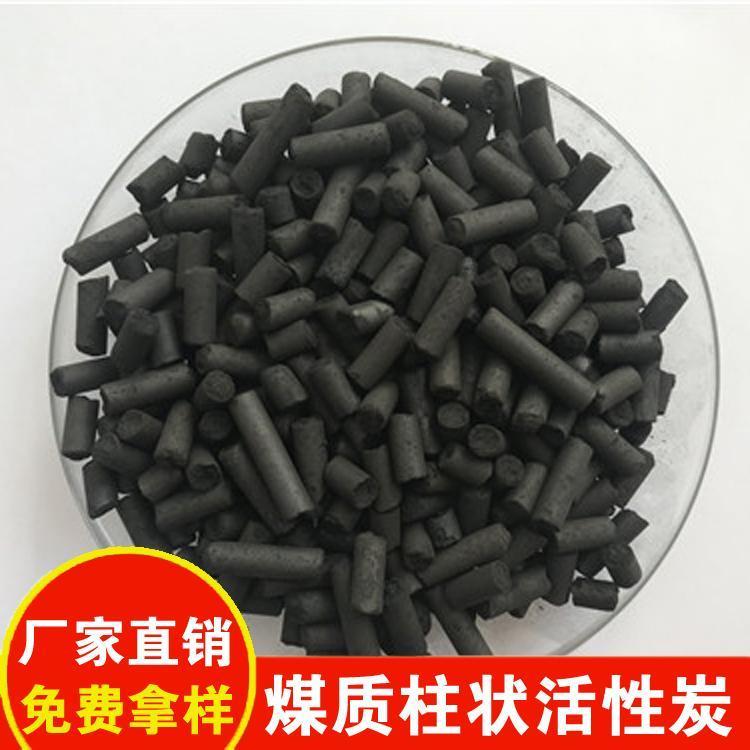
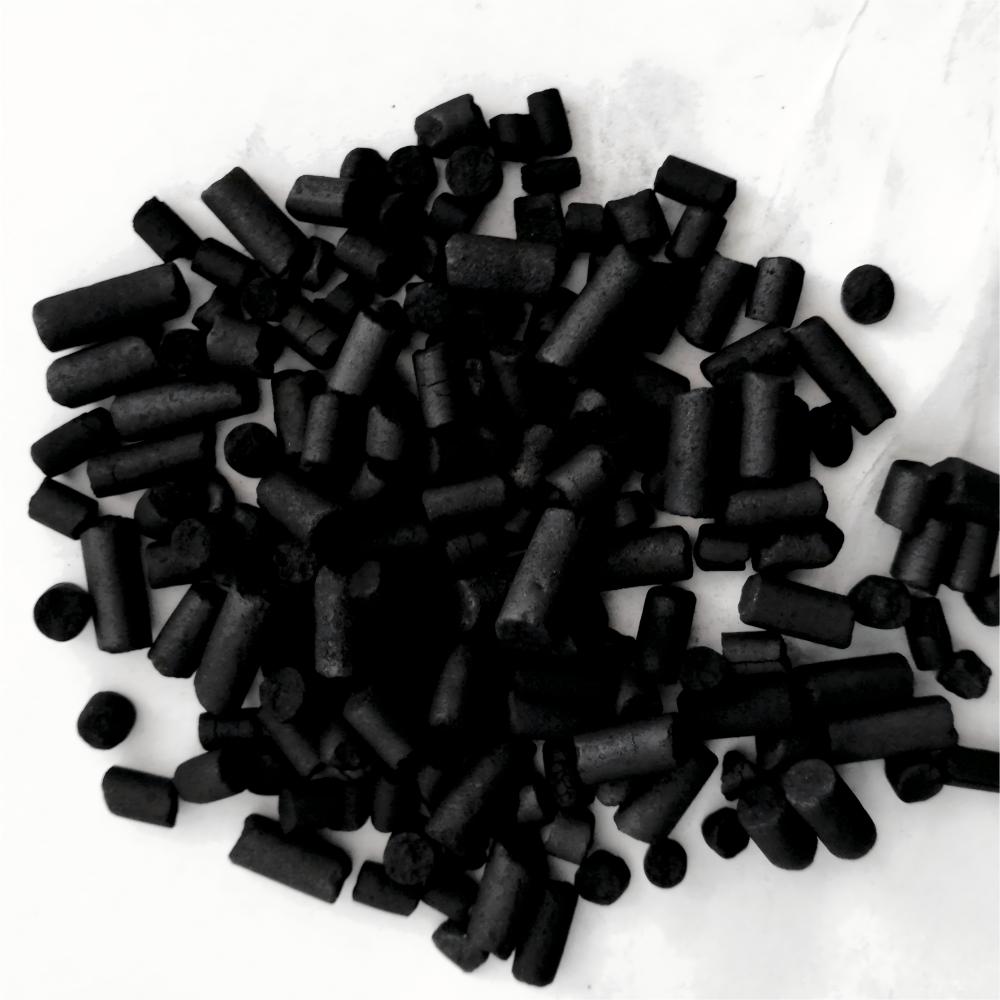
煤质活性炭外观呈黑色颗粒状或柱状,颗粒产品形态为不规则块状,柱状产品则为直径3-10mm、长度5-15mm的圆柱状,表面光滑无明显裂纹。常规粒径规格覆盖4-8目、8-16目、16-32目等,其中8-16目颗粒炭在烟气净化中应用广泛,Φ4mm柱状炭常用于水处理系统。产品色泽呈灰黑色至纯黑色,因原料煤种差异,无烟煤基产品颜色更深、光泽略好。堆积密度为0.55-0.75g/cm³,高于椰壳及木质活性炭,手感坚实沉重。优质产品颗粒完整性≥95%,柱状产品抗压强度优异,经跌落测试后破碎率低于3%,表面无明显粉尘附着,在水中浸泡后初始沉降速度快于粉末活性炭。
二、核心特性
1. 吸附性能稳定:BET比表面积为800-1200m²/g,孔隙结构以中孔(2-50nm)和大孔(>50nm)为主,中孔占比30%-45%,大孔占比10%-20%,这种孔隙分布对大分子有机物、胶体及悬浮颗粒吸附效果显著。关键性能指标表现扎实,碘吸附值为700-1000mg/g,亚甲基蓝吸附值为80-150mg/g,苯酚吸附值≥40mg/g,在连续运行工况下,吸附性能衰减缓慢,使用寿命可达6-12个月。
2. 机械强度优异:颗粒状产品机械强度≥92%,柱状产品抗压强度≥95MPa,远超木质活性炭(强度≥85%),能耐受水处理反冲洗、烟气脱硫塔气流冲击等动态工况,不易破碎粉化,降低设备堵塞风险。其耐磨强度≥90%,在流化床吸附装置中可长期循环使用,炭粉损耗率控制在1%/月以内。
3. 化学适应性强:产品pH值稳定在7.0-10.0,呈中性至弱碱性,耐酸碱腐蚀,在pH2-12的处理介质中仍能保持稳定吸附性能。硫含量≤0.8%,氮含量≤1.5%,不会与处理体系中的酸性气体(如SO₂、HCl)发生二次反应。工业级产品重金属含量符合GB/T 7701.4-2018标准,砷≤5mg/kg、铅≤30mg/kg,适用于工业污染治理。
4. 性价比突出:原料无烟煤资源储量丰富、分布广泛,生产工艺成熟,相较于椰壳活性炭,成本降低30%-50%,尤其适用于大剂量投加的工业场景。且再生性能良好,经高温蒸汽再生后,吸附容量可恢复至初始值的75%-85%,再生成本仅为新炭的1/4,显著降低综合使用成本。
三、应用领域
1. 工业废水处理:在焦化废水处理中,采用Φ4mm柱状炭填充吸附塔,可去除废水中的酚类、氰化物及多环芳烃,酚去除率达92%以上,COD降解率40%-60%,处理后废水符合GB 16171-2012排放标准。印染废水处理中,8-16目颗粒炭可吸附活性染料、分散染料,脱色率80%-90%;电镀废水处理中,对铬、镍等重金属离子吸附量达30-80mg/g,去除率超90%,常作为深度处理单元。
2. 烟气净化领域:燃煤电厂烟气脱硫脱硝中,采用蜂窝状煤质活性炭(比表面积900m²/g),可同时吸附SO₂和NOₓ,SO₂吸附容量达80-120mg/g,脱硝效率30%-50%,吸附的SO₂可转化为硫酸铵回收利用。垃圾焚烧烟气处理中,能有效吸附二噁英、重金属汞,二噁英去除率≥95%,汞吸附效率达85%以上,符合GB 18485-2014标准。
3. 溶剂回收与油气吸附:化工行业中,用于丙酮、甲醇、乙酸乙酯等有机溶剂回收,采用16-32目颗粒炭,溶剂回收率≥90%,吸附饱和后通过蒸汽脱附再生,可循环使用5-8次。加油站、储油库油气回收系统中,其大孔结构便于油气扩散吸附,油气回收率达95%以上,减少VOCs排放。
4. 水处理与环保工程:市政污水处理厂深度处理中,采用柱状煤质活性炭滤池,可降低出水COD至30mg/L以下,浊度≤1NTU,提升出水水质至地表水准IV类。饮用水处理中,用于去除余氯、卤代烃及异味,余氯去除率达99%,改善水质口感,符合GB 5749-2022标准。此外,在纯水制备中作为预处理单元,可吸附水中胶体及有机物,保护后续反渗透膜。
5. 工业催化与载体应用:化工催化领域,作为催化剂载体负载钯、铂等贵金属,用于加氢、脱氢反应,其稳定的孔隙结构可提升催化剂分散性。在双氧水生产中,作为蒽醌氢化反应的催化剂载体,能提高反应效率及双氧水产量。同时,可作为脱硫剂载体,用于天然气、煤层气脱硫,吸附硫化物能力达15-25mg/g。
四、包装规格
产品采用双层或三层密封包装,颗粒状产品常规为双层包装:内层为0.08mm厚PE防水薄膜袋,隔绝潮气;外层为80g/㎡高强度聚丙烯编织袋,抗撕裂强度≥25N。柱状及蜂窝状产品采用三层包装,在双层基础上增加一层牛皮纸防潮层,防止运输中碰撞磨损。
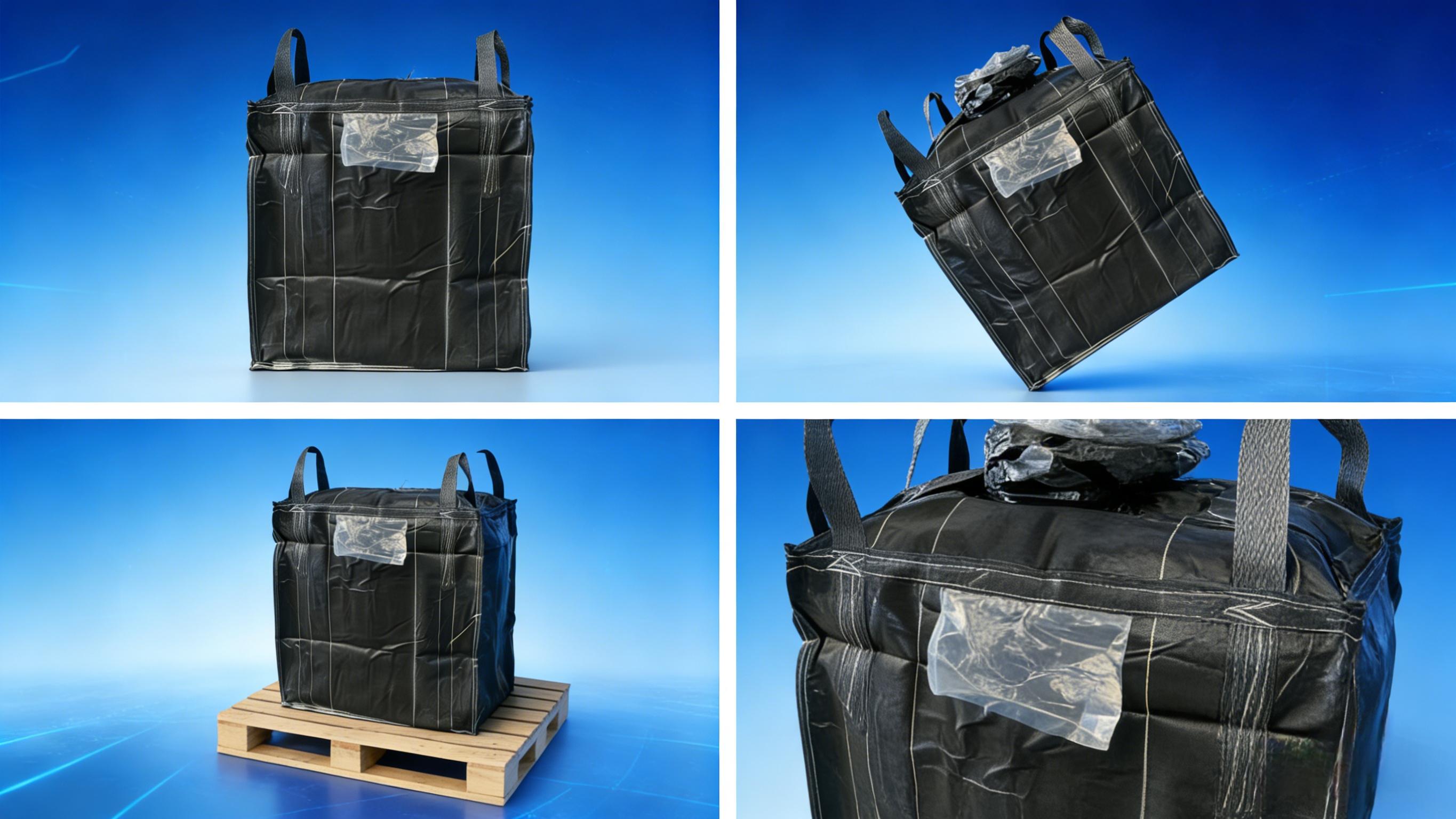
包装规格按应用场景划分:实验室及小型试用装为5kg/袋、10kg/袋,配备密封拉链;标准工业包装为25kg/袋,袋身尺寸50cm×80cm,内置加强提手;大批量采购提供500kg/吨包(颗粒炭)或定制尺寸木箱包装(蜂窝炭),吨包配备吊装环,适配叉车作业。所有包装清晰标注产品名称、规格(粒径/尺寸)、碘吸附值、生产日期、批号及质量等级,工业级与净水级采用颜色区分(净水级为蓝色标识,工业级为黑色标识)。密封状态下,阴凉干燥环境储存保质期为2年,开封后需密封并在45天内使用。
五、注意事项
1. 储存规范:储存于专用干燥仓库,温度控制在0-40℃,相对湿度≤65%,仓库需配备通风防潮设备,避免阳光直射及靠近高温热源(如蒸汽管道、加热炉)。产品应放置在木质托盘上,与地面、墙面间距≥15cm,防止潮气侵入。严禁与强酸、强碱、氧化剂及易挥发化学品混存,储存间隔≥8米,防止交叉污染导致吸附失效。
2. 运输要求:运输车辆需保持干燥清洁,车厢底部铺设防潮垫层及防雨布。装卸时轻装轻卸,柱状及蜂窝炭严禁抛掷,颗粒炭避免剧烈震动导致破碎。运输途中做好防雨、防晒、防尘措施,不得与液体货物、尖锐硬物混装。长途运输每200公里检查一次包装完整性,发现破损及时更换密封包装,运输车辆需配备干粉灭火器。
3. 使用操作:装填吸附塔时,应均匀平铺,避免出现空隙或堆积不均,颗粒炭装填高度不宜超过3米,防止底部颗粒受压破碎。水处理系统中,首次使用前需用清水冲洗2-3次,去除表面粉尘,避免污染出水。运行中定期检测进出水(气)污染物浓度,当吸附效率降至初始值的40%以下时,需进行再生或更换,再生采用350-450℃高温蒸汽脱附,再生时间为8-12小时。
4. 安全警示:产品燃点为400-480℃,储存及使用区域严禁明火,需配备足够干粉灭火器(每100㎡不少于2具),每月检查消防设施有效性。蜂窝炭及柱状炭堆积时,需预留通风通道,防止吸附热量积聚引发升温。废弃饱和炭属于一般固废,需交由有资质的环保机构处置,净水级炭不可随意倾倒,避免污染土壤水源。操作人员装填时佩戴防尘口罩及手套,避免粉尘吸入。
Tianyuan Coal-based Activated Carbon (Coal-based Activated Carbon, CAC) is a porous carbon material produced from high-quality anthracite and bituminous coal through processes including crushing, sieving, carbonization, activation (physical or chemical), and refining. The raw coal contains high carbon content and a significant proportion of fixed carbon. After specialized processing, it develops a highly developed pore structure, offering advantages such as large adsorption capacity, high mechanical strength, and outstanding cost-effectiveness. It has become a mainstream adsorption material in industrial wastewater treatment, flue gas purification, and solvent recovery, particularly suitable for treating high-concentration pollutants in large volumes.
I. Appearance Characteristics: The appearance of coal-based activated carbon is black granular or cylindrical. Granular products have an irregular block shape, while cylindrical products are 3-10mm in diameter and 5-15mm in length, with a smooth surface free of obvious cracks. Common particle sizes cover 4-8 mesh, 8-16 mesh, and 16-32 mesh, among which 8-16 mesh granular carbon is widely used in flue gas purification, and Φ4mm cylindrical carbon is commonly used in water treatment systems. The product color ranges from gray-black to pure black, with anthracite-based products being darker and slightly shinier due to differences in raw coal types. The bulk density is 0.55-0.75g/cm³, higher than coconut shell and wood-based activated carbon, giving it a firm and heavy feel. High-quality products have a particle integrity of ≥95%, and cylindrical products exhibit excellent compressive strength, with a breakage rate of less than 3% after drop tests, no obvious dust adhesion on the surface, and a faster initial settling speed in water compared to powdered activated carbon.
2. Core Features 1. Stable Adsorption Performance: With a BET specific surface area of 800-1200 m²/g, the material features a pore structure dominated by mesopores (2-50 nm) and macropores (>50 nm), where mesopores constitute 30%-45% and macropores 10%-20%. This optimal pore distribution ensures exceptional adsorption efficiency for macromolecular organic compounds, colloids, and suspended particles. Key performance metrics demonstrate robust performance: iodine adsorption capacity of 700-1000 mg/g, methylene blue adsorption capacity of 80-150 mg/g, and phenol adsorption capacity ≥40 mg/g. The adsorption performance shows minimal degradation under continuous operation, with a service life of 6-12 months.
2. Exceptional Mechanical Strength: Granular products achieve a mechanical strength of ≥92%, while cylindrical products demonstrate a compressive strength of ≥95MPa—far surpassing the 85% strength of wood-based activated carbon. These materials withstand dynamic conditions like water treatment backwashing and flue gas desulfurization tower impacts, resisting breakage and pulverization to minimize equipment clogging risks. With a wear resistance of ≥90%, they enable long-term reuse in fluidized bed adsorption systems, maintaining carbon powder loss at under 1% monthly.
3. Strong chemical adaptability: The product maintains a stable pH value of 7.0-10.0, neutral to weakly alkaline, resistant to acid and alkali corrosion, and can still maintain stable adsorption performance in treatment media with a pH of 2-12. The sulfur content is ≤0.8%, and the nitrogen content is ≤1.5%, preventing secondary reactions with acidic gases (such as SO₂, HCl) in the treatment system. The industrial-grade product meets the heavy metal content standards of GB/T 7701.4-2018, with arsenic ≤5mg/kg and lead ≤30mg/kg, making it suitable for industrial pollution control.
4. Superior cost-effectiveness: Anthracite coal boasts abundant reserves and widespread distribution, with mature production techniques. Compared to coconut shell activated carbon, it reduces costs by 30%-50%, making it particularly suitable for industrial applications requiring high-dose applications. Moreover, it demonstrates excellent regeneration performance—after high-temperature steam regeneration, its adsorption capacity can recover to 75%-85% of the initial value, with regeneration costs amounting to merely one-fourth of new carbon, significantly lowering overall operational expenses.
3. Application Fields 1. Industrial Wastewater Treatment: In coking wastewater treatment, Φ4mm cylindrical carbon-filled adsorption towers effectively remove phenols, cyanides, and polycyclic aromatic hydrocarbons (PAHs), achieving a phenol removal rate of over 92% and COD degradation of 40%-60%. The treated wastewater complies with the GB 16171-2012 discharge standard. For dyeing wastewater, 8-16 mesh granular carbon adsorbs reactive dyes and disperse dyes, with decolorization rates of 80%-90%. In electroplating wastewater treatment, it adsorbs heavy metal ions (e.g., chromium and nickel) at 30-80 mg/g, with removal rates exceeding 90%, and is commonly used as a deep treatment unit.
2. Flue Gas Purification Applications: In coal-fired power plant flue gas desulfurization and denitrification systems, honeycomb-structured activated carbon (specific surface area: 900m²/g) is employed to simultaneously adsorb SO₂ and NOₓ. The adsorption capacity for SO₂ ranges from 80-120mg/g, with denitrification efficiency of 30%-50%. The captured SO₂ can be converted into ammonium sulfate for recycling. For waste incineration flue gas treatment, this material effectively adsorbs dioxins and mercury, achieving a dioxin removal rate of ≥95% and a mercury adsorption efficiency exceeding 85%, fully compliant with the GB 18485-2014 standard.
3. Solvent Recovery and Oil-Gas Adsorption: In the chemical industry, granular carbon with 16-32 mesh is used to recover organic solvents such as acetone, methanol, and ethyl acetate, achieving a solvent recovery rate of ≥90%. After adsorption saturation, the carbon is regenerated through steam desorption and can be reused 5-8 times. In oil vapor recovery systems for gas stations and oil depots, its macroporous structure facilitates the diffusion and adsorption of oil vapors, achieving a recovery rate of over 95% and reducing VOC emissions.
4. Water Treatment and Environmental Engineering: In municipal wastewater treatment plants, the application of cylindrical coal-based activated carbon filters enables advanced treatment to reduce effluent COD below 30mg/L and turbidity ≤1NTU, elevating water quality to Class IV surface water standards. For drinking water treatment, these filters effectively remove residual chlorine, halogenated hydrocarbons, and odors with a 99% chlorine removal rate, improving water taste and meeting GB 5749-2022 standards. Additionally, in pure water production systems, they serve as pretreatment units to adsorb colloidal substances and organic compounds, protecting subsequent reverse osmosis membranes.
5. Industrial Applications of Catalyst Carriers: In chemical catalysis, these carriers support precious metals like palladium and platinum for hydrogenation and dehydrogenation reactions. Their stable porous structure enhances catalyst dispersion. In hydrogen peroxide production, they serve as catalyst supports for anthraquinone hydrogenation, improving both reaction efficiency and output. Additionally, they function as desulfurization agents for natural gas and coalbed methane, with a sulfur adsorption capacity of 15-25 mg/g.
4. Packaging Specifications: The product is packaged in double or triple sealed layers. Granular products are typically packaged in double layers: the inner layer is a 0.08mm-thick PE waterproof film bag to prevent moisture, and the outer layer is an 80g/m² high-strength polypropylene woven bag with a tear resistance of ≥25N. Cylindrical and honeycomb products use triple-layer packaging, with an additional kraft paper moisture-proof layer added to the double-layer structure to prevent transportation-related impact and wear.
Packaging specifications are categorized by application scenarios: Laboratory and small trial packs are available in 5kg/bag and 10kg/bag sizes, featuring sealed zippers; Standard industrial packaging comes in 25kg/bag dimensions (50cm×80cm) with reinforced handles; Bulk purchases offer 500kg/ton bags (granular charcoal) or custom-sized wooden crates (honeycomb charcoal), each equipped with forklift-compatible lifting rings. All packaging clearly displays product name, specifications (particle size/ dimensions), iodine adsorption value, production date, batch number, and quality grade. Industrial-grade and water-purification-grade products are color-coded (blue for water-purification-grade, black for industrial-grade). When sealed, the product remains stable for 2 years in cool, dry storage. Once opened, it must be resealed and used within 45 days.
5. Storage Guidelines 1. Storage Requirements: Store in a dedicated dry warehouse with temperature maintained between 0-40°C and relative humidity ≤65%. The warehouse must be equipped with ventilation and moisture-proof facilities, avoiding direct sunlight and proximity to high-temperature sources (e.g., steam pipes, heating furnaces). Place products on wooden pallets at least 15cm above the ground/walls to prevent moisture ingress. Strictly avoid mixing with strong acids, strong alkalis, oxidizers, or volatile chemicals. Maintain a minimum storage distance of 8 meters to prevent cross-contamination that may cause adsorption failure.
2. Transportation Requirements: Transport vehicles must remain dry and clean, with moisture-proof mats and waterproof fabric laid at the bottom of the cargo compartment. Handle loading/unloading with care, strictly prohibiting the tossing of cylindrical or honeycomb charcoal, and avoid violent shaking of granular charcoal to prevent breakage. During transit, implement rainproof, sunproof, and dustproof measures, and never mix with liquid cargo or sharp objects. For long-distance transport, inspect packaging integrity every 200 kilometers, promptly replace damaged sealed packaging, and ensure vehicles are equipped with dry powder fire extinguishers.
3. Handling Guidelines: When loading the adsorption tower, ensure uniform distribution to prevent voids or uneven accumulation. The particle carbon loading height should not exceed 3 meters to avoid crushing the bottom particles under pressure. For water treatment systems, perform 2-3 rinses with clean water before initial use to remove surface dust and prevent effluent contamination. During operation, regularly monitor pollutant concentrations in influent and effluent (gas). When adsorption efficiency drops below 40% of the initial value, regeneration or replacement is required. Regeneration should use high-temperature steam (350-450°C) for 8-12 hours.
4. Safety Warning: The product has a combustion temperature of 400-480°C. Open flames are strictly prohibited in storage and usage areas. Adequate dry powder fire extinguishers (no fewer than 2 units per 100㎡) must be provided, with monthly inspections of fire safety equipment. When stacking honeycomb charcoal or cylindrical charcoal, ventilation channels must be reserved to prevent heat accumulation and temperature rise. Spent saturated charcoal is classified as general solid waste and must be disposed of by qualified environmental agencies. Purified-grade charcoal must not be dumped indiscriminately to avoid soil and water contamination. Operators must wear dust masks and gloves during loading to prevent dust inhalation.


