废气处理活性炭产品介绍
废气处理活性炭是通过特殊炭化、活化工艺制备的多孔性碳素材料,以发达的孔隙结构和超大比表面积为核心优势,专门用于捕获废气中的挥发性有机化合物(VOCs)、硫化物、恶臭气体等污染物,是工业废气治理与空气净化领域的核心吸附材料。以下从核心维度展开详细说明:
一、外观形态
本品核心特征为黑色均质结构,根据应用场景差异形成多规格形态,主流类型包括:
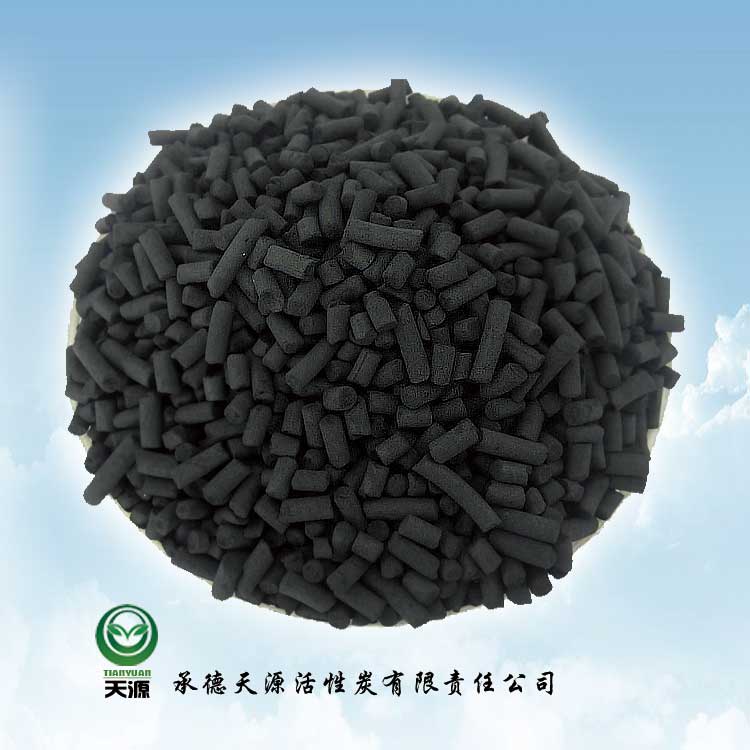
柱状活性炭:呈规则圆柱形颗粒,直径常见1.5mm、3.0mm、4.0mm、6.0mm等规格,表面光滑无明显棱角,颗粒长度与直径比例均衡,无碎渣及结块现象。
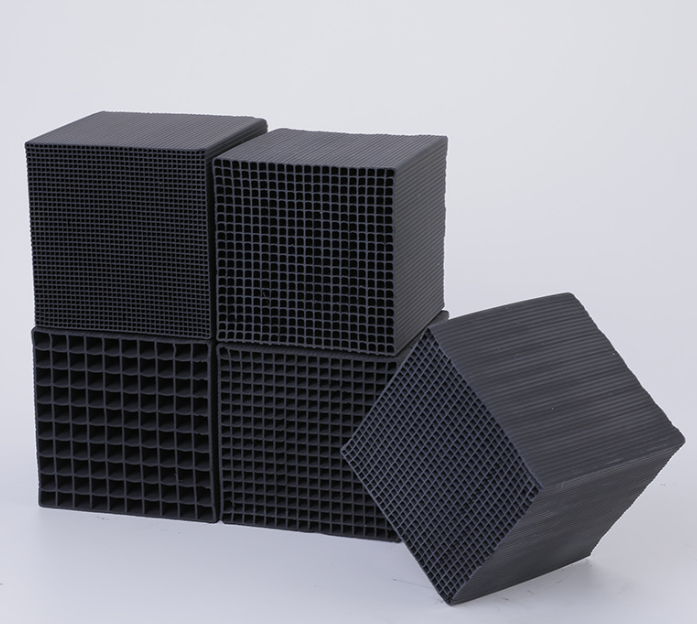
蜂窝状活性炭:为多孔蜂窝结构,断面呈规则六边形孔道,孔壁均匀致密,整体强度高,无开裂及孔道堵塞问题,有防水与不防水两种类型适配不同湿度环境。
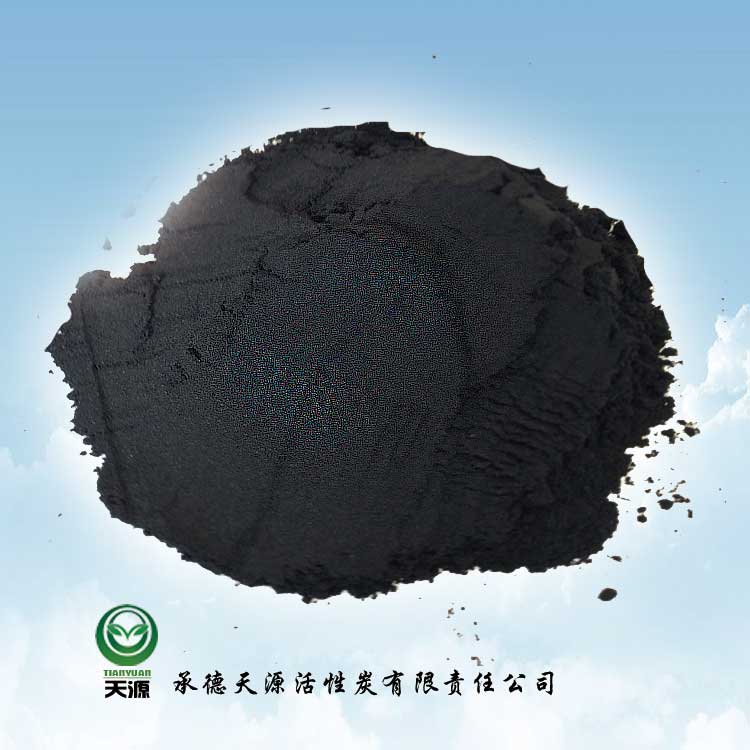
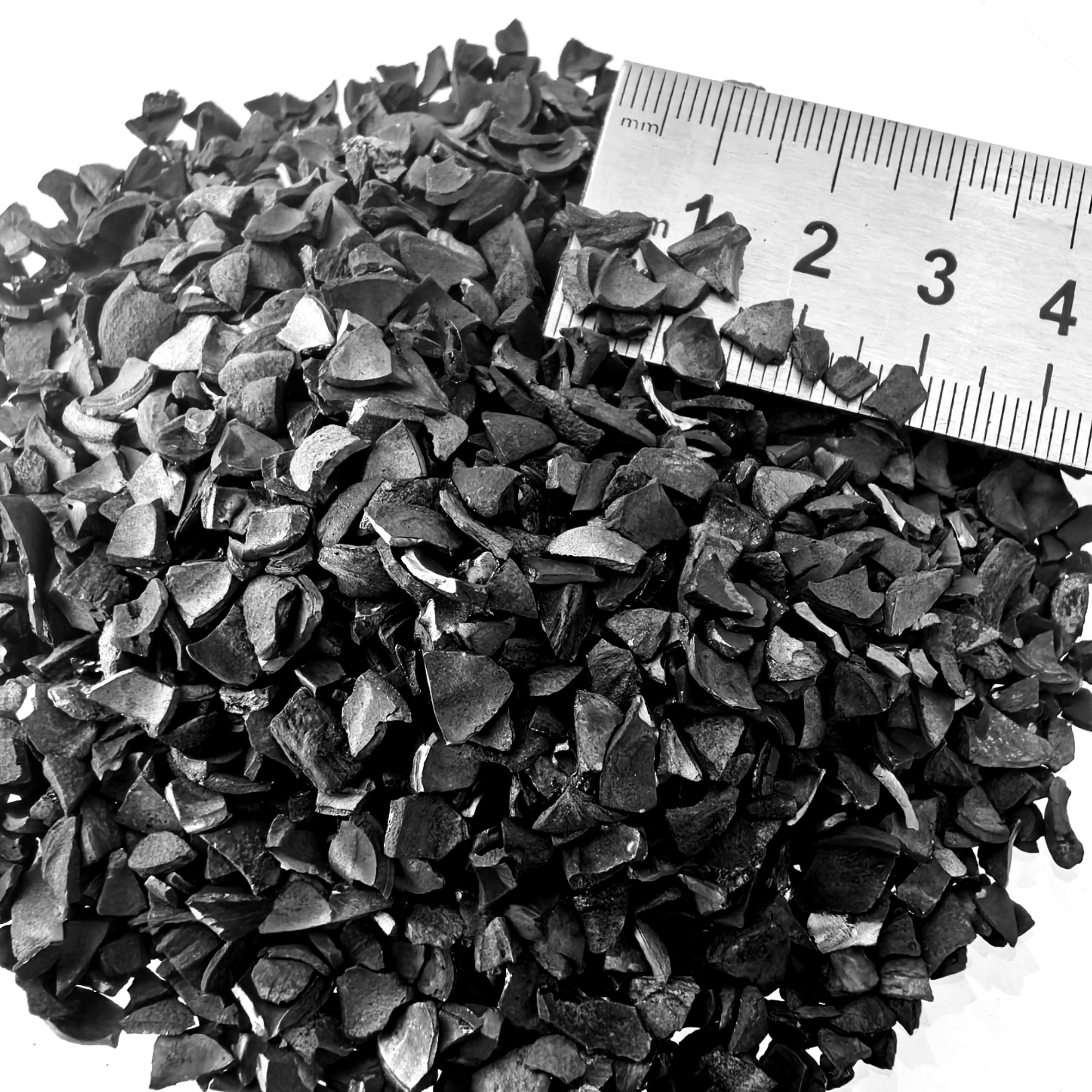
颗粒/粉状活性炭:颗粒炭为不规则破碎状,粒径0.5-10mm;粉状炭粒径多在100目以上,呈细腻黑色粉末,无肉眼可见杂质,分散性良好。
所有形态产品均无刺激性气味,在干燥环境下不易吸潮结块,物理形态稳定性优异。
二、核心特性
本品依托独特的孔隙结构与表面化学性质,展现出卓越的废气处理能力,关键特性包括:
高效吸附性能:比表面积可达400-1500㎡/g,其中微孔(孔径<2nm)占比超80%,能快速捕获小分子污染物。对VOCs吸附效率达85%-99.99%,四氯化碳吸附率最高可达100%,碘吸附值普遍≥800mg/g,远超普通活性炭标准。
优异的再生与耐用性:通过水蒸气脱附(10-30分钟)或热空气解析即可实现再生,再生后吸附容量保留率≥85%,使用寿命为普通煤质活性炭的4-5倍,平均使用周期可达2-3年。机械强度≥90%,装填与再生过程中不易破碎,灰分含量≤5%,无二次粉尘污染。
宽适配性与安全性:可处理苯、甲苯、甲醛、丙酮等数十种有机废气及硫化氢、氨等恶臭气体,适配中低浓度、大风量废气工况。着火点≥450℃,在惰性气体中可耐受1000℃以上高温,运行过程安全稳定。
流体力学优势:柱状与蜂窝状产品具有合理的孔隙分布,气体通过阻力小,床层压力降低,尤其蜂窝炭适配高流量系统,可减少风机能耗,降低运行成本。
三、应用领域
本品凭借广谱吸附性与场景适配性,广泛应用于多行业废气治理,核心领域包括:
工业VOCs治理:适配化工、制药、涂料制造、印刷、电子等行业,处理生产过程中产生的苯系物、醇类、酯类等废气,尤其适用于吸附-催化燃烧工艺系统。
涂装与表面处理:用于汽车制造、家具喷涂、金属涂装等行业,高效去除喷漆废气中的溶剂挥发物与漆雾异味,净化效率达95%以上。
恶臭与特种气体处理:在废水处理厂、垃圾焚烧厂、制鞋制革行业,去除硫化氢、甲硫醇、氨气等恶臭气体;在加油站、储油库用于油气回收。
精细净化场景:医药行业用于去除制药工艺中的有机溶剂残留,食品加工行业处理油烟与挥发性异味,室内空气净化领域用于甲醛等污染物去除。
四、包装规格
采用分层包装设计,兼顾运输保护与使用便捷性,标准规格如下:
产品形态 | 包装材质 | 标准规格 | 特殊定制 |
柱状/颗粒炭 | 内层PE薄膜+外层聚丙烯编织袋 | 25Kg/袋、20Kg/袋,尺寸45×65cm | 500Kg/吨袋,带吊装扣 |
蜂窝状活性炭 | 硬纸板箱+泡沫缓冲 | 500×500×100mm/块,4块/箱 | 按需定制尺寸,防水包装 |
粉状活性炭 | 双层PE袋+牛皮纸袋 | 25Kg/袋,带防潮拉链 | 10Kg小包装,真空密封 |
所有包装均标注产品型号、规格、生产日期、碘值等关键参数,外层印有防潮、轻放标识,满足长途运输与仓储需求。
五、注意事项
储存要求:应存放于干燥通风的室内仓库,避免雨淋、受潮及阳光直射,与火源(明火、高温设备)的安全距离≥5米,严禁与氧化剂混存。储存期不宜超过12个月,需定期检查包装完整性。
装填规范:装填前需清理吸附装置内杂质,柱状/颗粒炭应均匀平铺,避免局部堆积;蜂窝炭需保证孔道与气流方向一致,单层装填厚度100-400mm,多层装填不超过3层。装填过程中需佩戴防尘口罩与手套。
运行管理:适配废气温度≤40℃、相对湿度≤60%的工况,若废气含尘量高需先经预处理。运行中定期监测进出口污染物浓度,当吸附效率下降至70%以下时需及时再生或更换,并建立更换台账。
危废处理:吸附饱和后的废活性炭属于危险废物(代码900-039-49),需密封包装,委托具备相应资质的单位处置,严禁随意丢弃或焚烧。
安全防护:装卸与更换时避免粉尘吸入,若不慎入眼需立即用大量清水冲洗;如发生少量燃烧,可用干粉灭火器扑救,严禁用水直接喷淋。
本品需严格按照《工业有机废气活性炭治理技术规范》使用,结合具体工况调整参数,以确保最佳治理效果与运行安全。
Introduction to Activated Carbon for Waste Gas Treatment: Activated carbon for waste gas treatment is a porous carbon material prepared through special carbonization and activation processes. With its developed pore structure and ultra-large specific surface area as core advantages, it is specifically designed to capture volatile organic compounds (VOCs), sulfides, malodorous gases, and other pollutants in waste gases. It serves as a core adsorbent material in the fields of industrial waste gas treatment and air purification. The following is a detailed explanation from key dimensions: 1. Appearance Characteristics The core feature of this product is a homogeneous black structure, which can form multiple specifications depending on application scenarios. Main types include: Cylindrical activated carbon: appears as regular cylindrical particles, commonly with diameters of 1.5mm, 3.0mm, 4.0mm, 6.0mm, smooth surface without obvious edges, balanced length-to-diameter ratio, and no fragmentation or clumping.
Honeycomb activated carbon features a porous honeycomb structure with regular hexagonal cross-sections. Its uniformly dense pore walls ensure high structural integrity without cracking or clogging. Available in waterproof and non-waterproof variants, it adapts to various humidity environments.
Granular/powder activated carbon: the granular carbon is irregular broken shape, the particle size is 0.5-10mm; the powder carbon particle size is mostly above 100 mesh, the fine black powder, no visible impurities, good dispersion.
All the products have no irritating odor, and are not easy to absorb moisture and form lumps in dry environment, with excellent physical stability.
II. Core Characteristics This product demonstrates exceptional exhaust gas treatment capabilities through its unique pore structure and surface chemistry. Key features include: High-efficiency adsorption: With a specific surface area of 400-1500 m²/g, over 80% of which consists of micropores (<2nm), it rapidly captures small molecular pollutants. Adsorption efficiency for VOCs ranges from 85% to 99.99%, with carbon tetrachloride adsorption rates reaching up to 100%. The iodine adsorption value is generally ≥800 mg/g, significantly exceeding conventional activated carbon standards.
Exceptional Regeneration and Durability: The material can be regenerated through steam desorption (10-30 minutes) or hot air stripping, maintaining ≥85% adsorption capacity retention. Its service life is 4-5 times longer than conventional coal-based activated carbon, with an average operational lifespan of 2-3 years. Featuring ≥90% mechanical strength, it resists breakage during loading and regeneration processes. The ash content is ≤5%, and it produces no secondary dust pollution.
Extensive adaptability and safety: Capable of processing dozens of organic waste gases including benzene, toluene, formaldehyde, acetone, as well as odorous gases like hydrogen sulfide and ammonia. It is compatible with medium-low concentration and high-volume waste gas conditions. With an ignition point of ≥450°C, it can withstand temperatures exceeding 1000°C in inert gas environments, ensuring safe and stable operation.
Hydrodynamic advantages: The columnar and honeycomb products feature optimized pore distribution, which reduces gas flow resistance and bed pressure. Particularly, honeycomb carbon is optimized for high-flow systems, effectively lowering fan energy consumption and operational costs.
3. Application Fields With its broad-spectrum adsorption capacity and versatile adaptability, this product is widely used in industrial exhaust gas treatment across multiple sectors. Key applications include: Industrial VOCs control: Suitable for chemical, pharmaceutical, coating manufacturing, printing, and electronics industries to treat production-generated emissions such as benzene compounds, alcohols, and esters, particularly effective for adsorption-catalytic combustion systems.
Painting and Surface Treatment: Used in automotive manufacturing, furniture spraying, and metal coating industries, this system effectively removes solvent volatiles and paint mist odors from spray painting exhaust, achieving a purification efficiency of over 95%.
Odor and special gas treatment: in wastewater treatment plant, garbage incineration plant, shoe and leather industry, remove hydrogen sulfide, methyl mercaptan, ammonia and other odorous gas; in gas station, oil storage, oil vapor recovery.
Precision purification scenarios: In the pharmaceutical industry for removing organic solvent residues in drug manufacturing processes, in the food processing industry for treating cooking fumes and volatile odors, and in indoor air purification for eliminating pollutants like formaldehyde.
IV. Packaging Specifications: The layered packaging design ensures both transportation protection and user convenience. Standard specifications are as follows: Product Form | Packaging Material | Standard Specifications | Customized Column/Granular Charcoal Inner Layer: PE film + outer layer: polypropylene woven bag 25kg/bag, 20kg/bag, dimensions 45×65cm, 500kg/ton bag, with lifting clips. Honeycomb-shaped activated carbon cardboard box + foam cushioning 500×500×100mm/box, 4 boxes per unit, customizable size as needed. Waterproof packaging: Powdered activated carbon double-layer PE bag + kraft paper bag 25kg/bag, with moisture-proof zipper 10kg small package, vacuum-sealed. All packaging is labeled with product model, specifications, production date, iodine value, and other key parameters. The outer layer features moisture-proof and lightweight labels to meet long-distance transportation and storage requirements.
5. Storage Guidelines: Store in a dry, well-ventilated indoor warehouse, protected from rain, moisture, and direct sunlight. Maintain a minimum 5-meter distance from ignition sources (open flames or high-temperature equipment). Do not store with oxidizers. The storage period should not exceed 12 months, and the packaging integrity should be inspected regularly.
Filling specifications: Before loading, remove impurities from the adsorption device. Columnar/granular carbon should be evenly distributed to prevent localized accumulation. Honeycomb carbon must have its pores aligned with the airflow direction. The thickness for single-layer filling should be 100-400mm, and multi-layer filling should not exceed 3 layers. During the filling process, wear a dust mask and gloves.
Operational management: The system is designed for exhaust gas conditions with temperature ≤40℃ and relative humidity ≤60%. Pre-treatment is required for high dust content. Regular monitoring of pollutant concentrations at inlet and outlet is mandatory. When adsorption efficiency drops below 70%, regeneration or replacement should be performed promptly, with a replacement log maintained.
Hazardous Waste Management: Activated carbon waste saturated through adsorption is classified as hazardous waste (code 900-039-49). It must be sealed and entrusted to qualified disposal units. Random disposal or incineration is strictly prohibited.
Safety precautions: Avoid inhaling dust during loading, unloading, or replacement. If dust enters the eyes, rinse immediately with plenty of water. In case of minor ignition, use a dry powder fire extinguisher; direct water spraying is strictly prohibited.
This product must be used strictly in accordance with the Technical Specifications for Activated Carbon Treatment of Industrial Organic Exhaust Gases, with parameters adjusted according to specific operating conditions to ensure optimal treatment efficiency and operational safety.


